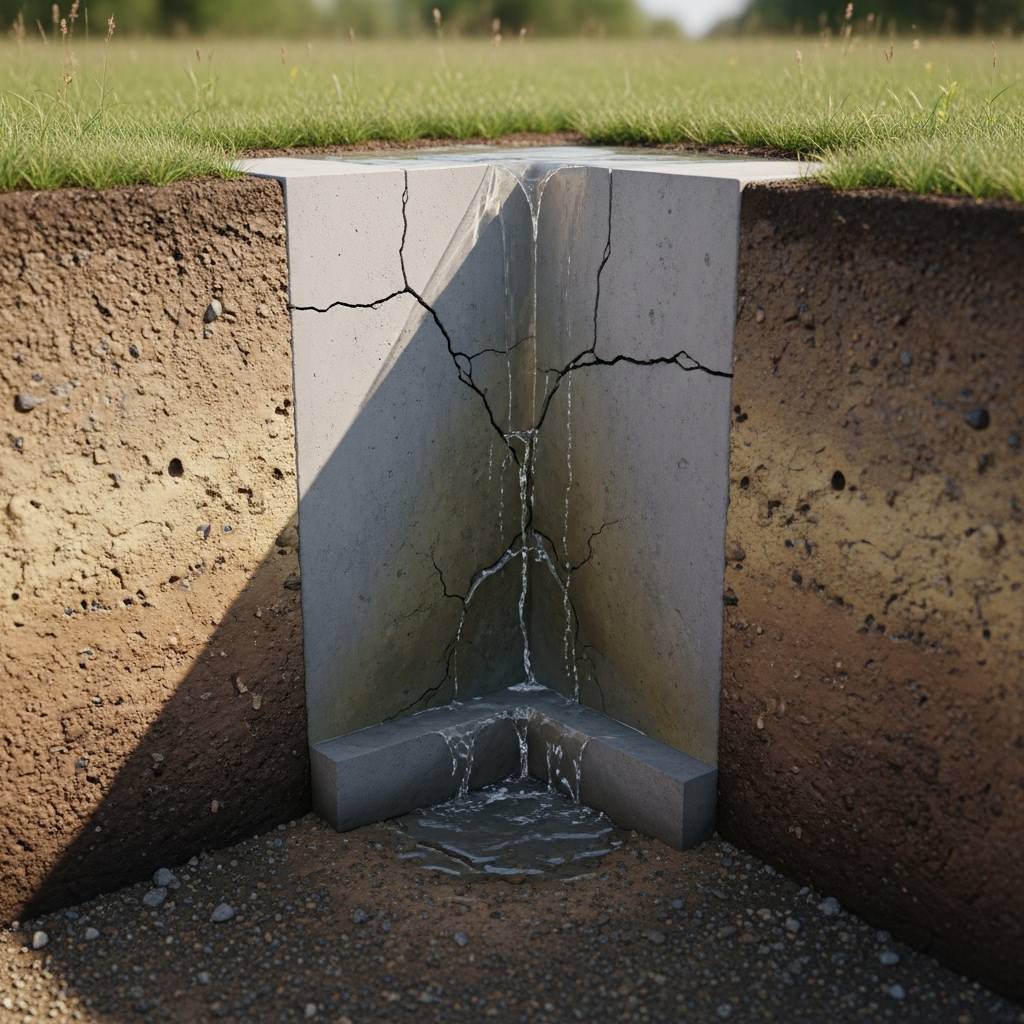
The Hidden Dangers of Basement Foundation Leak
Basement foundation leaks are more than a nuisance. They quietly undermine the safety, value, and longevity of your home. While many homeowners first notice a leak as a damp spot or musty smell, the consequences of ignoring these early signs can be severe. Below is a detailed look at the major downsides of basement foundation leaks and why prompt action matters.
1. Structural Damage That Worsens Over Time
Water intrusion doesn’t stay harmless for long. When moisture seeps through cracks or porous concrete, it gradually weakens the structural integrity of your home. Over time, this can lead to shifting foundations, bowing walls, and costly repairs. Persistent leaks can compromise building materials and create long-term instability.
2. Mold Growth and Poor Indoor Air Quality
Basements are naturally humid, and leaks accelerate mold growth. Mold thrives in damp environments and spreads quickly across drywall, wood, and insulation. This not only damages materials but also affects indoor air quality, potentially triggering allergies and respiratory issues. Many waterproofing mistakes—such as poor drainage or improper barriers—lead directly to chronic moisture and mold problems.
3. Increased Repair Costs the Longer You Wait
Foundation leaks rarely fix themselves. What starts as a minor seepage can escalate into major structural repairs, interior drainage installations, or full waterproofing systems. Costs rise significantly when homeowners delay action or misdiagnose the issue—such as confusing a foundation leak with a plumbing problem. Calling the wrong contractor can also lead to delays and more damage.
4. Damage to Personal Property and Finished Basements
If your basement is used for storage or living space, leaks can ruin flooring, furniture, electronics, and sentimental items. Even small amounts of water can warp wood, stain walls, and destroy carpeting. For finished basements, the cost of replacing drywall, insulation, and flooring can be substantial.
5. Reduced Home Value and Marketability
A history of basement leaks is a red flag for buyers. Even after repairs, moisture issues can affect resale value. Home inspectors look closely at foundations, and signs of past water intrusion—stains, efflorescence, or musty odors—can make buyers hesitant or lead to lower offers.
6. Ongoing Maintenance and Disruption
Repairing foundation leaks often requires excavation, interior drainage systems, or structural reinforcement. These projects can be noisy, messy, and disruptive. In severe cases, homeowners may need to temporarily relocate or clear out large portions of the basement.
7. Risk of Worsening Cracks and Future Failures
Ignoring leaks allows water pressure (hydrostatic pressure) to build up around the foundation. This pressure forces water through cracks and can even create new ones. Over time, this cycle leads to larger structural issues that require more invasive repairs.
Final Thoughts
Basement foundation leaks are not just cosmetic issues—they’re early warning signs of deeper structural and environmental problems. Addressing leaks promptly protects your home’s stability, prevents health hazards, and saves money in the long run. Whether the cause is poor drainage, foundation cracks, or waterproofing failures, early intervention is always the smartest move.