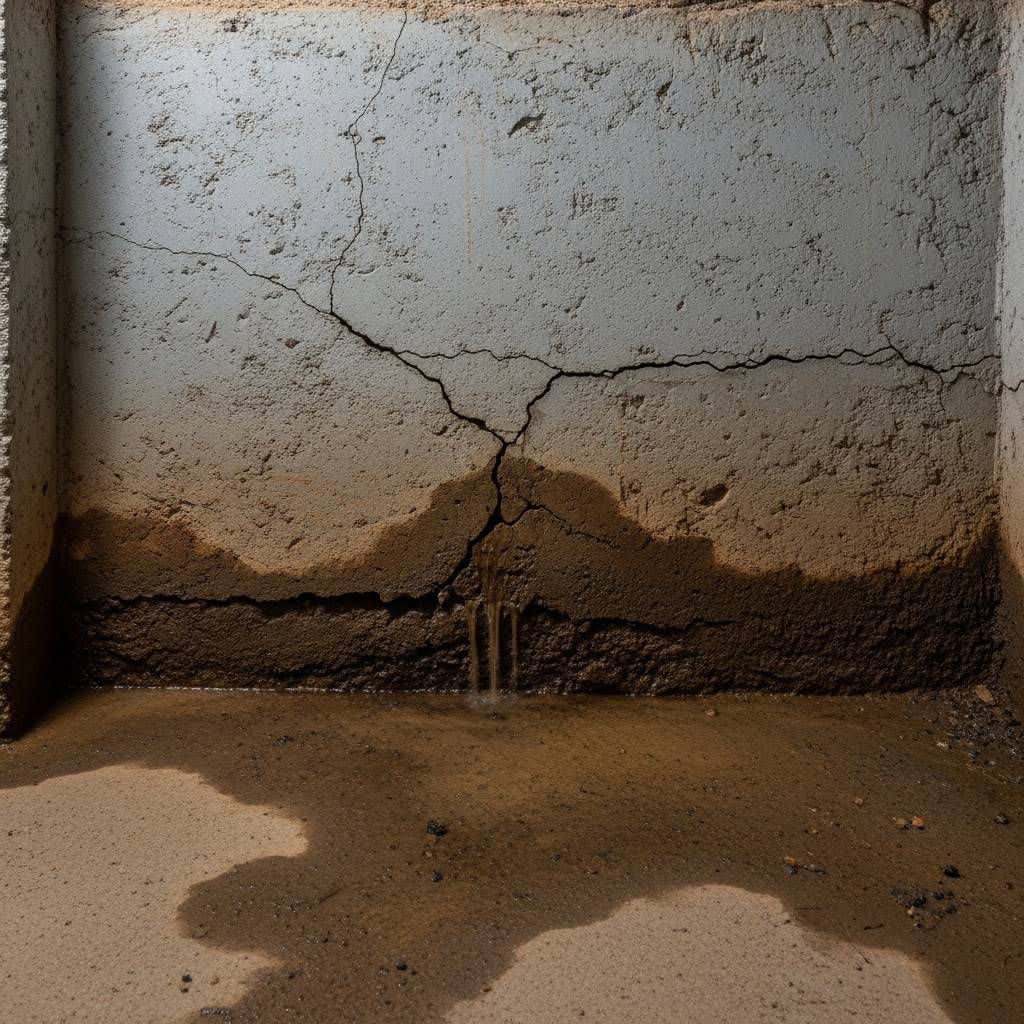
The Telltale Signs of a Basement Foundation Leak
A leaking basement isn’t just an inconvenience — it’s often an early warning sign of deeper foundation or drainage problems. Catching these signs early can save homeowners thousands in repairs and prevent long‑term structural damage. Below is a comprehensive guide to the most common indicators of a foundation‑related basement leak, why they happen, and when to take action.
1. Visible Water or Moisture Accumulation
One of the most obvious signs is "standing water", damp spots, or moisture collecting along walls or floors. Even small puddles can indicate water entering through cracks, the cove joint (where the wall meets the floor), or under the slab due to hydrostatic pressure.
2. Water Seepage at the Wall–Floor Joint
The "cove joint" is a common weak point. When groundwater pressure builds up around the foundation, water can push through this seam and appear as a thin line of moisture or active seepage. This is often tied to exterior drainage issues or rising groundwater.
3. Cracks in Foundation Walls
Foundation cracks — whether hairline or wider — can act as direct entry points for water. When these cracks leak during rainfall or snowmelt, it’s a strong indicator that exterior waterproofing or structural reinforcement may be needed.
4. Damp or Warped Flooring
Moisture beneath flooring materials (like vinyl, laminate, or hardwood) can cause them to "warp, buckle, or lift". This often happens when water is entering through the slab or migrating upward from a hidden foundation leak.
5. Musty Odors and Mold Growth
Persistent dampness creates the perfect environment for mold and mildew. If your basement smells musty or you notice mold on walls, baseboards, or stored items, moisture intrusion from the foundation is a likely culprit.
6. Efflorescence on Walls
A white, chalky residue on concrete or masonry walls — known as "efflorescence" — indicates that water is seeping through the foundation and evaporating, leaving mineral deposits behind.
7. Repeated Leaks After Heavy Rain
If your basement leaks consistently after storms, the issue is often tied to "foundation drainage problems", such as poor grading, clogged weeping tiles, or failing exterior waterproofing. Recurrent leaks are a strong sign that the foundation system needs professional attention.
8. Unexplained Moisture Without Plumbing Issues
Sometimes homeowners confuse plumbing leaks with foundation leaks. If you’ve ruled out plumbing problems but still see moisture, the source is likely external — meaning water is entering through the foundation itself. Understanding this distinction is crucial for choosing the right repair strategy.
Why These Signs Matter
Foundation leaks rarely stay small. Over time, they can lead to:
- - Structural weakening
- - Mold contamination
- - Damage to finished basements
- - Increased repair costs
- - Ongoing water intrusion during storms
Early detection and proper diagnosis are key to preventing long‑term damage.
When to Call a Professional
You should seek expert help when:
- - Water enters repeatedly after rain
- - Cracks actively leak
- - Flooring begins to warp or lift
- - Moisture persists despite DIY fixes
- - You’re unsure whether the source is plumbing or foundation related
Professionals can determine whether the issue requires crack injection, interior drainage, sump pump installation, or full exterior waterproofing.