Understanding French Drains: Their Function and Benefits
Understanding French Drains: Their Function and Benefits
A French drain is a simple yet effective solution for managing water drainage issues. Whether it's a soggy lawn, a flooded basement, or water pooling around a structure, French drains offer a reliable way to redirect water away from trouble areas. Here's an overview of what they are, how they work, and the advantages they provide.
What is a French Drain?
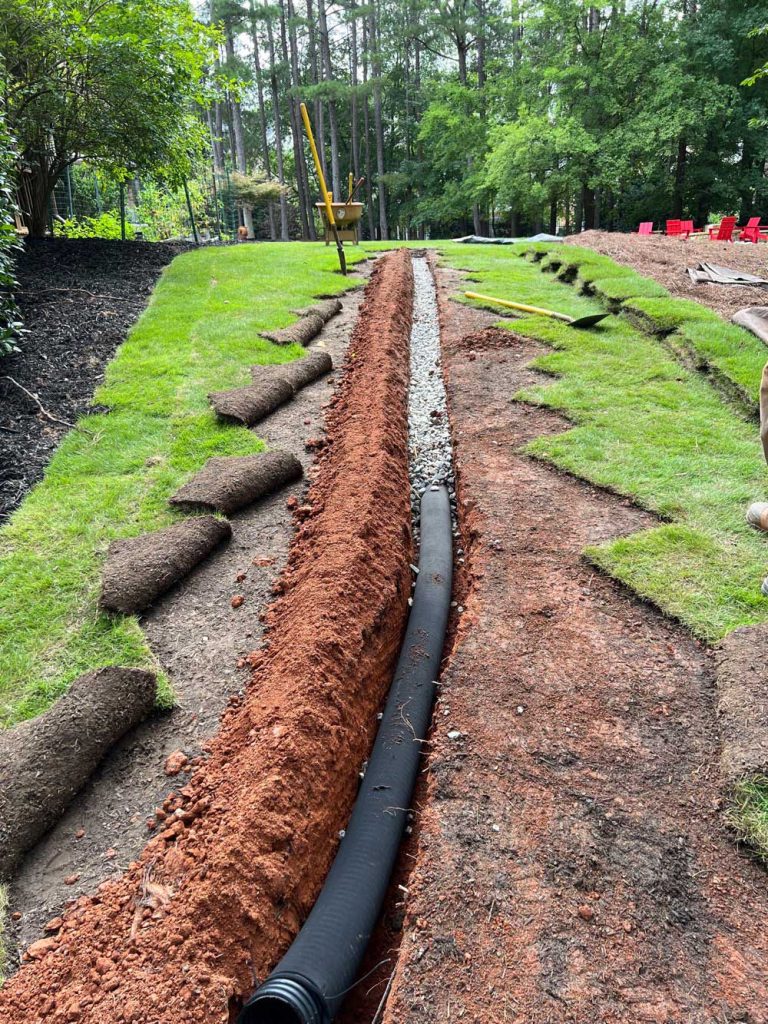
A French drain is essentially a trench filled with gravel or rock and containing a perforated pipe that directs water away from a specific area. The name is not connected to France—it actually originates from Henry Flagg French, an American farmer who popularized the concept in the 19th century.
French drains are installed underground and are designed to capture and channel groundwater or surface water to a designated location, such as a storm drain, a dry well, or a low-lying area where the water can safely disperse.
How Does a French Drain Work?
The design of a French drain is both elegant and practical. Here's how it functions:
1.Water Collection**: As water flows through the soil, it naturally seeks the path of least resistance. The gravel or rock-filled trench allows water to enter easily through the gaps, while the perforated pipe ensures that the water is collected.
2.Water Redirection: Once the water enters the pipe, gravity takes over, guiding it down the slope of the drain to its exit point. The drain is typically installed at an angle to facilitate this movement.
3.Prevention of Blockages: The gravel layer and geotextile fabric (commonly wrapped around the pipe) help prevent soil and debris from clogging the system.
Benefits of a French Drain
French drains offer several advantages that make them a popular choice for homeowners and landscapers:
Effective Water Management: They prevent water from pooling in areas where it can cause damage, such as basements, foundations, or landscaping features.
-Flood Prevention: By directing water away from structures, French drains reduce the risk of flooding in basements or crawl spaces.
-Soil Erosion Control: They help manage surface runoff, preventing erosion in gardens or yards.
Versatility: French drains can be used in residential, commercial, and agricultural settings, making them suitable for a wide range of water drainage problems.
Cost-Effective Solution: Compared to more complex drainage systems, French drains are relatively affordable and easy to install.
When Should You Consider a French Drain?
A French drain is particularly useful if:
1:Your yard is consistently soggy or muddy.
2:Water is entering your basement or pooling around your home's foundation.
3:You want to prevent long-term damage caused by water accumulation.
4You’re looking for an effective way to handle surface water runoff.
French drains are a tried-and-true solution to water drainage woes. Their straightforward design and functionality make them a practical choice for anyone facing water management challenges. By investing in a French drain, you can protect your property, enhance its value, and enjoy peace of mind knowing you've tackled a major source of potential water damage.