Understanding Weeping Tile: Functions and Usability
Understanding Weeping Tile: Functions and Usability
Weeping tiles, despite their poetic name, are an unsung hero in the world of residential construction and water management. Known by various names, including drain tiles or perimeter drains, weeping tiles are a crucial component in safeguarding homes and buildings from the potentially devastating effects of water damage. Here's an in-depth look at their functions and usability.
What is a Weeping Tile?
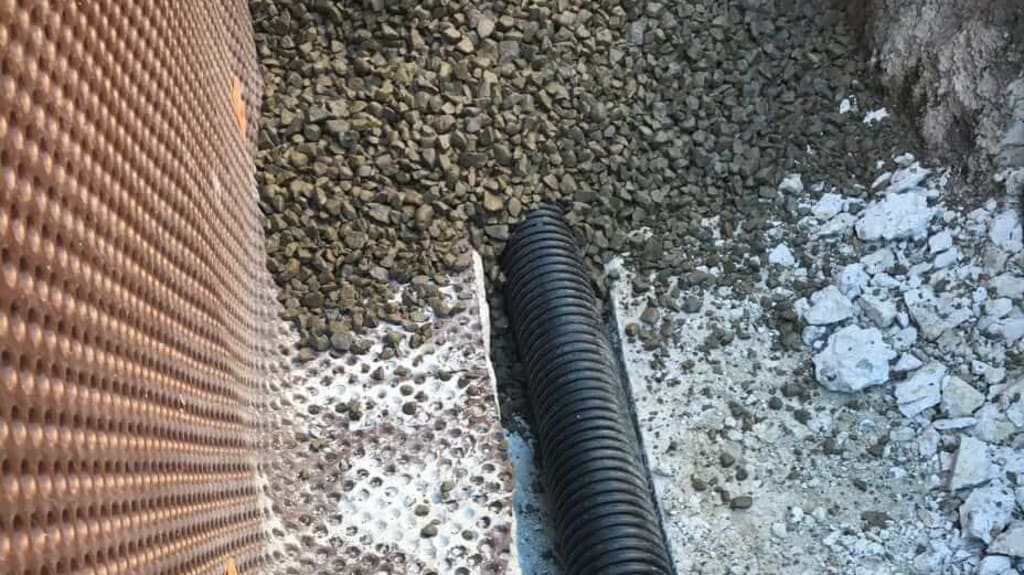
A weeping tile is a porous pipe system that helps manage water around the foundation of a building. Originally made of clay tiles, these systems have evolved and are now typically composed of plastic pipes with small perforations. The name “weeping tile” comes from the idea that the pipes "weep" water, as they allow groundwater to seep into them.
The pipes are buried underground, usually along the perimeter of a building, and surrounded by gravel or another filtering material. This setup enables the system to collect excess water and channel it away from the building’s foundation.
Functions of a Weeping Tile
Weeping tiles serve several critical functions that contribute to a safe and structurally sound home environment:
1.Foundation Protection: By diverting water away from the foundation, weeping tiles prevent hydrostatic pressure from building up, which could lead to cracks, leaks, or even structural instability.
2.Basement Waterproofing: For homes with basements, weeping tiles are essential in keeping the space dry. They reduce the likelihood of water ingress, which can lead to mold growth, water damage, or flooding.
3.Groundwater Management: In areas prone to high water tables or heavy rainfall, weeping tiles help regulate groundwater levels, preventing pooling or surface flooding around the property.
4.Erosion Prevention: By directing water away from the foundation, these tiles also help prevent soil erosion, which could otherwise compromise the stability of a building.
Usability and Installation
Weeping tiles are highly versatile and can be adapted to suit various types of properties and terrains. Here's a brief overview of their usability and installation considerations:
Residential and Commercial Use: Weeping tiles are suitable for both residential homes and larger commercial buildings. Their adaptability makes them ideal for new constructions or retrofitting older structures.
Installation: While professional installation is recommended, the process typically involves digging a trench around the building's foundation, laying the weeping tiles, and covering them with gravel and soil. A layer of filter fabric is often added to prevent debris from clogging the system.
Connection to a Drainage System: The collected water is usually directed to a storm sewer, sump pump, or another drainage system to ensure effective water removal.
Modern Innovations
Modern weeping tile systems often incorporate advanced materials and designs to improve their efficiency and longevity. Some include built-in filtration mechanisms to reduce clogging, while others use high-strength plastic for added durability. Smart monitoring systems are also becoming more common, allowing homeowners to track water flow and detect potential issues early.
Weeping tiles play an indispensable role in protecting homes from water damage, ensuring structural stability, and enhancing the usability of basements and other below-grade spaces. By effectively managing groundwater, they offer peace of mind to homeowners and reduce the long-term costs associated with repairs and water-related issues.
Understanding their functions and usability underscores their value, making them a vital investment for any property. Whether you’re building a new home or improving an older one, a well-designed weeping tile system is a cornerstone of sound water management.